

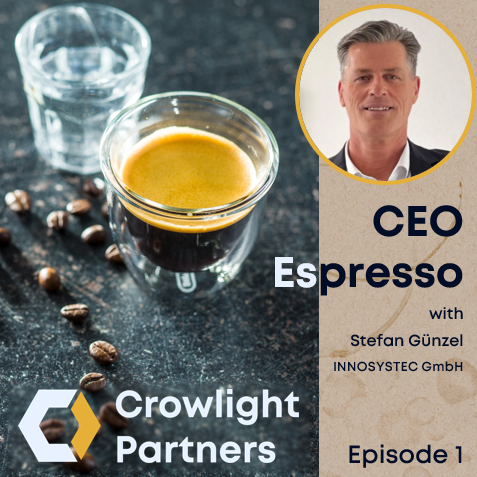
Stefan Günzel ist Geschäftsführer bei INNOSYSTEC, einem auf Analysesoftware spezialisierten mittelständischen Unternehmen mit Sitz in Deutschland. INNOSYSTEC entwickelt mit dem Produkt SCOPE eine Software, die es nationalen und internationalen Sicherheitsbehörden, Nachrichtendiensten und dem Militär ermöglicht, riesige Datenmengen aus unterschiedlichsten Quellen und Sensoren zu analysieren und in handlungsrelevante Erkenntnisse zu überführen – etwa zur Terrorabwehr, zur Aufklärung schwerer Straftaten oder für die militärische Nachrichtengewinnung.
Frage: Vor dem Hintergrund Ihres Wettbewerbsumfelds, welche Herausforderungen sehen Sie aktuell für die Zukunftsfähigkeit Ihres Unternehmens?
Antwort: Die üblichen Themen – Innovation, besonders rund um KI, sowie Recruiting, also die richtigen Köpfe für uns zu gewinnen. Die INNOSYSTEC sitzt in Salem am Bodensee, dort konkurrieren wir mit den Großen, wie ZF, Airbus oder Rolls-Royce.
Auch das Thema Positionierung als KMU im sicherheitsrelevanten Umfeld beschäftigt uns sehr – da machen wir viel politische Arbeit, z. B. in Berlin. Zwar schreibt sich die Politik groß die Stärkung der nationalen digitalen Souveränität und somit auch die Unterstützung hochspezialisierter deutscher Unternehmen auf die Fahnen und will dafür auch Gelder bereitstellen, doch vieles davon geht leider weiterhin an große ausländische Tech-Riesen oder fließt in komplexe langjährige Beratungsprojekte – oft kommt dann leider nicht viel beim Enduser an.
International ist es für uns tatsächlich einfacher. Es ist oft erfrischend, wie schnell dort Dinge umgesetzt werden – ich denke da an Südamerika, Asien oder den arabischen Raum; oft auch ohne langwierige Ausschreibungsverfahren.
Was würden Sie im Rückblick anders machen?
Wir hätten früher noch stärkere internationale Standorte aufbauen sollen, z. B. in Dubai oder in Osteuropa. Das lohnt sich in jedem Falle, denn auch die größeren Wettbewerber sind dort vor Ort präsent. Auch beim Thema Personalrecruiting auf Jobmessen hätten wir uns vielleicht noch früher engagieren können. Da haben wir in den letzten Jahren aber mächtig aufgeholt und den Wert solcher Formate erkannt.
Wie treffen Sie Entscheidungen in Ihrem Unternehmen?
Wir sind flach organisiert. Es gibt zwei Geschäftsführer und ein kleines Führungsteam. Entscheidungen werden nachhaltig, betriebswirtschaftlich und mit klarem strategischen Fokus getroffen. Als mittelständisches Unternehmen können wir recht frei und dynamisch agieren. Dies ist ganz anders als in einem Konzern, in dem ich viele Jahre gearbeitet habe.
Worauf achten Sie besonders bei der Auswahl von Führungskräften?
Auf das Mindset, auf den Menschen. Uns ist wichtig, dass jemand bewusst in ein kleineres Unternehmen wechseln möchte Viele von uns kommen aus Konzernen oder aus größeren Organisationen und Behörden und suchen ganz bewusst flache Strukturen mit möglichst großem Gestaltungsspielraum. Wir suchen nicht nur nach Lebensläufen oder Leuten, die einer Job Description entsprechen, sondern nach Menschen mit dem Mut, mal was anderes zu machen und neue Wege zu gehen. Menschen, die „Bock“ auf uns und die INNO haben.
Wie hat sich Ihr Führungsstil im Laufe der Jahre verändert?
Im Konzern war mehr sehr eingeengt von Prozessen, die sehr oft fast sklavisch befolgt und abgearbeitet werden mussten. Heute kann ich freier agieren, situativer handeln und schneller Anpassungen vornehmen, wenn’s mal nicht so läuft, wie geplant.
Wie gehen Sie mit Meinungsverschiedenheiten im Führungsteam um?
Wir sind im stetigen persönlichen Austausch – regelmäßig Offsites, kontinuierliche Justierung von Strategie und Zielen. So kommt es gar nicht zu den ganz großen Brüchen. Auch wenn das Tagesgeschäft oft wenig Zeit lässt, so versuchen wir dennoch, Unklarheiten schnellstmöglich zu klären und wieder gemeinschaftlich nach vorne zu arbeiten.
Wie gehen Sie bei der Strategiearbeit vor?
Wir arbeiten sehr kontinuierlich an unserer Strategie und unseren Fähigkeiten. Jährlich überprüfen wir unsere strategische Gesamtausrichtung, justieren und adaptieren, falls dies erforderlich wird. Der hochdynamische Markt und Wettbewerb sowie die technischen Entwicklungen in unserer Branche sind dabei die stärksten Treiber. Die stellt nie einen radikalen Kurswechsel dar, da wir uns eine grundsätzlich sehr gute Strategie gegeben haben und davon überzeugt sind. Es ist vielmehr unser konsequentes Weiterdenken in die Zukunft. Anders als im Konzernumfeld, in dem häufig das nächste große Buzzword durchs Dorf getrieben wird – mal ist es Cyber, dann wieder Cloud, AI oder Security – betreiben wir keinen Aktionismus, sondern bauen gezielt Fähigkeiten, Märkte und Kunden auf, die zu uns passen. So behalten wir die Bodenhaftung, bleiben effizient, überfordern unser Unternehmen nicht und haben – überwiegend 😉 – auch Spaß bei der Arbeit.
Wann sind Sie aus Ihrer Sicht als Geschäftsführer erfolgreich?
Wenn die gesetzten Ziele – sowohl technologisch und kommerziell als auch kulturell – erreicht werden. Beim Ziele-Set orientieren wir uns weniger an abstrakten Marktstudien, sondern betrachten unsere eigene Welt. Was ist uns wichtig? Was tut uns gut? Was sind unsere Werte und was macht uns aus? Neben der Strategie berücksichtigen wir auch die sogenannten weichen Faktoren, die wir auch messen. Wenn wir zum Beispiel qualitativ sehr gute und vom MindSet her zu uns passende Menschen für uns gewinnen und halten können, auch ohne klassische Konzern-Karrierepfade, dann ist das für uns ein Erfolg.
Welche Themen entwickeln Sie aktuell für sich weiter?
Da denke ich eher intern als extern. Ich arbeite mich bei unseren technologischen Themen immer tiefer ein, gemeinsam mit den Fachleuten aus dem Team. Als Geschäftsführer ist man oft zu weit weg von den knackigen technischen Themen. Ich möchte mich so gut wie mir möglich auch in unserem Maschinenraum orientieren können. Wenn es geht, auch ohne Taschenlampe und „Fremdenführer“😉
Das Interview führten wir im April/Mai 2025.