


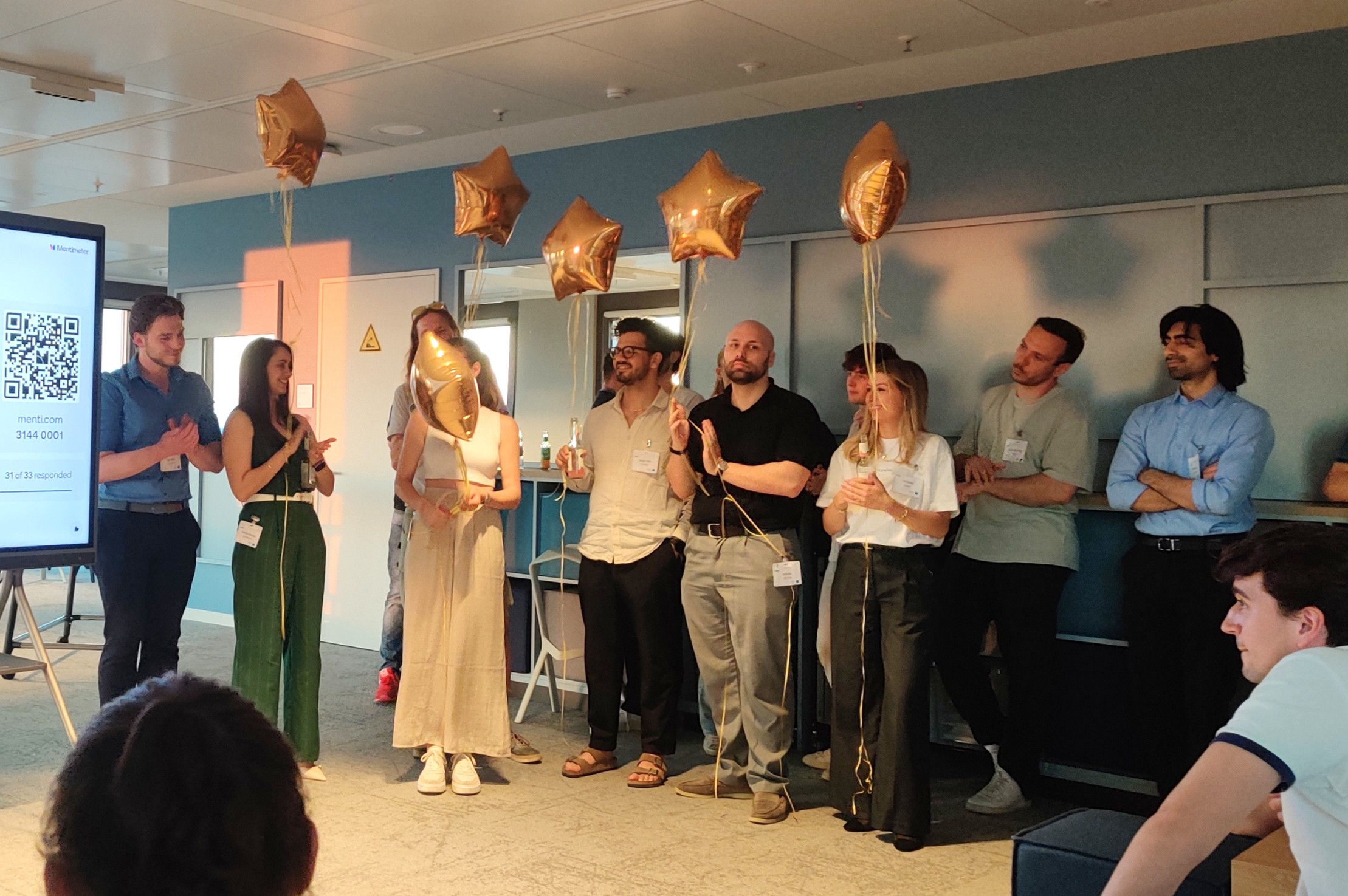
Last night at Pitch & Pretzels, hosted at KPMG’s offices in Cologne, the focus was naturally on ideas.
What problem does the startup want to solve?
What market is it addressing? How big could this become?
How convincing is the team?
And, of course: how do idea, capital, and execution come together?
But another question stayed with me: even if the idea, market, and team are compelling, how critical is a resilient web of relationships?
With co-founders. With investors. With employees.
With first customers. With suppliers. With cooperation partners.
Later perhaps with corporate partners, boards, or buyers.
Each of these relationships brings expectations and agreements with it. A startup is not merely a product looking for capital and a route to market. It is also a web of commitments, dependencies, resources, trust, and shared expectations.
I wonder whether an underestimated part of value creation lies precisely there.
Because even with the same idea and the same combination of assets, I can imagine two startups: one creates value, the other fails to gain traction. Perhaps because time horizons, risk appetite, role expectations, and the desire for control were never brought into alignment across the wider relationship network.
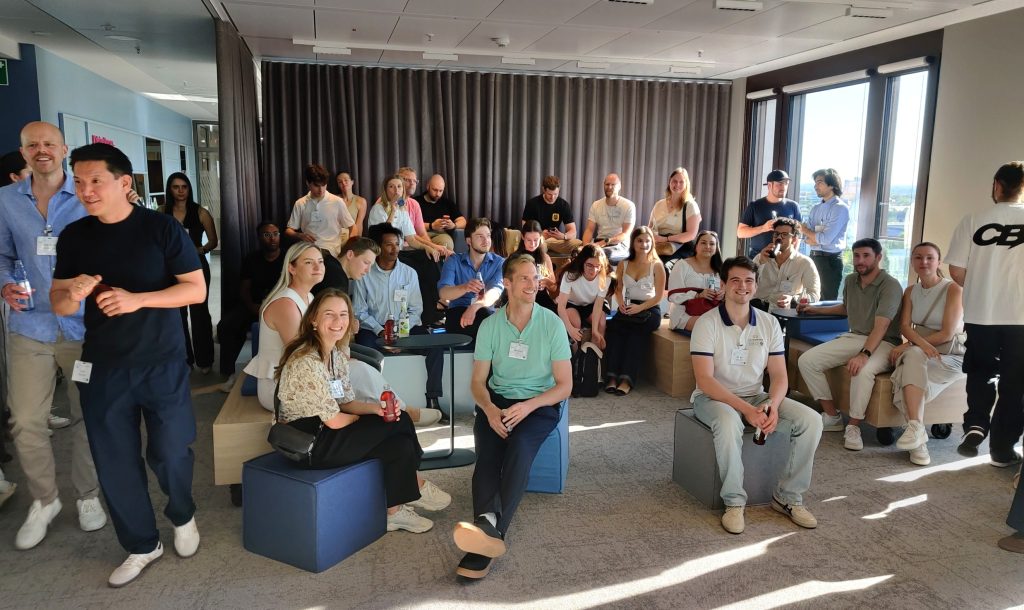
+++ German version +++ Deutsche Version +++
Gestern Abend bei Pitch & Pretzels in den Räumlichkeiten der KPMG in Köln standen naturgemäß Ideen im Vordergrund.
Welche Probleme will das Startup lösen? Welchen Markt adressiert es? Wie groß kann das werden? Wie überzeugend ist das Team? Und natürlich: Wie kommen Idee, Kapital und Umsetzung zusammen?
Doch mich hat noch eine andere Frage beschäftigt: Selbst wenn Idee, Markt und Team überzeugend sind, wie erfolgskritisch ist ein tragfähiges Geflecht aus Beziehungen?
Mit Co-Foundern. Mit Investoren. Mit Mitarbeitern. Mit ersten Kunden. Mit Lieferanten. Mit Kooperationspartnern. Später vielleicht mit Corporate Partnern, Boards oder Käufern.
Jede dieser Beziehungen bringt Erwartungen und Vereinbarungen mit sich. Ein Startup ist ja nicht nur ein Produkt auf der Suche nach Kapital und einem Absatzmarkt. Es ist auch ein Geflecht aus Zusagen, Abhängigkeiten, Ressourcen, Vertrauen und gemeinsamen Erwartungen.
Ich frage mich, ob darin nicht ein unterschätzter Teil der Wertschöpfung steckt.
Denn selbst mit der gleichen Idee und der selben Kombination aus Assets kann ich mir zwei Startups vorstellen: das eine schafft Wert, das andere kommt nicht voran. Vielleicht weil Zeithorizonte, Risikobereitschaft, Rollenverständnis und Kontrollanspruch im erweiterten Beziehungsnetzwerk nicht in Einklang gebracht wurden?