


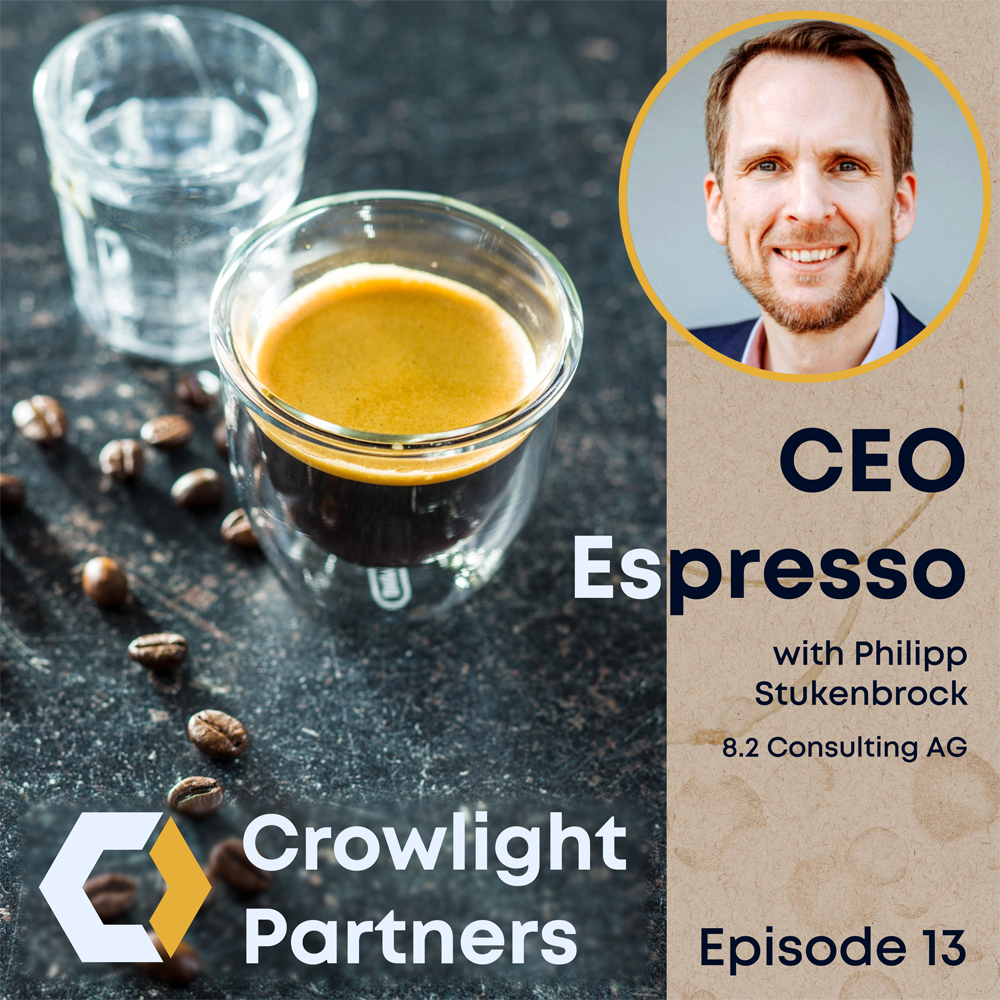
Philipp Stukenbrock is currently CEO of 8.2 Consulting AG. He has been working in the renewable energy sector for more than 15 years. Before joining 8.2 Consulting AG in 2013, he led multiple technical due diligence projects for renewable energy assets for clients including the World Bank and the European Investment Bank. Today, Philipp oversees activities across the core business areas of Consulting, Wind Farm Life Extension, and Offshore Wind. He holds a degree in Industrial Engineering with a focus on Energy and Environmental Management from the University of Flensburg.
8.2 is an independent network of over 40 engineering and expert firms worldwide, specializing in inspections, assessments, and technical consulting for renewable energy. Each office operates independently but is part of the 8.2 Group—united by shared values, knowledge transfer, and a strong commitment to quality. Together, we pool expertise in wind, photovoltaics, storage, and grid integration.
Question: What makes a good negotiation?
Antwort: Both partners have built a relationship of trust on equal footing and leave the negotiation with a positive feeling. The outcome works for both sides.
How important is preparation for a negotiation?
Very important, especially for larger projects or contract frameworks. That said, for “smaller” negotiations, it can also work to start fresh, without extensive preparation.
Can trust develop quickly in negotiations?
It depends. Sometimes it happens very quickly—there’s a click and trust forms almost immediately. Other times it takes longer. Long-term trust always requires time, and once established, it helps enormously and can make a significant difference. And when you’ve already successfully delivered projects together in the past, that trust credit is renewed again and again. The proof is there that it works.
What’s easier for you: internal or external negotiations?
Internal negotiations are easier for me, with one exception: contract negotiations. And as always, it depends on the personality on the other side of the table whether a negotiation runs more smoothly or proves more challenging.
What does a good leader particularly need?
An empathetic approach to all employees. I don’t lead through directives (“This is how we do it!”). A good leader ensures that everyone is working together toward the same goal. And that everyone shares in the success. To achieve this, I try not to take myself too seriously. Plus: My employees have sufficient freedom for self-development.
How has your leadership style changed over time?
There was no radical break—things have evolved over time. As CEO, I bear responsibility. Delegating arbitrarily doesn’t work. I set the guidelines, I draw boundaries, the numbers need to add up. And I ensure that employees stand behind a common goal. This works best when everyone thinks entrepreneurially and this mindset is actively fostered.
How do you pursue professional development?
Continuing education is important for everyone. You can’t do without it. For specialized topics, I attend specific training courses; otherwise, it’s learning on the job.
We conducted the interview in November 2025.